Weird Animals

CFACT Tour Covers Approximately 800 Miles in Wisconsin
CFACT wolf management tour covered approximately 800 miles through and near more than 30 Wisconsin communities, highlighting wolf attacks.
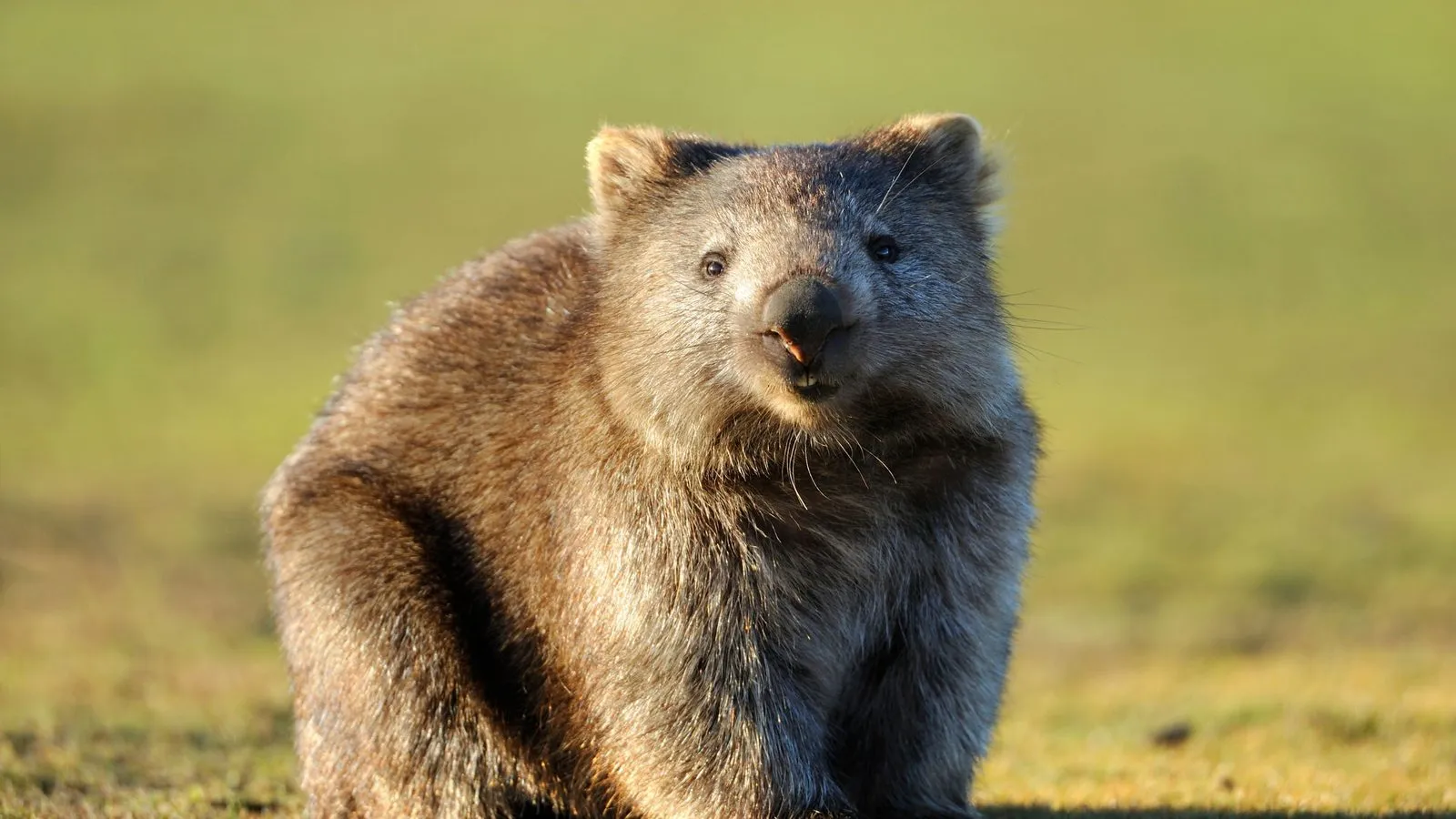
Why Do Wombats Make Cube-Shaped Poop?
Wombats leave cube-shaped droppings thanks to stiff and stretchy bands in their intestines. Here is how scientists cracked the puzzle, and why it helps.
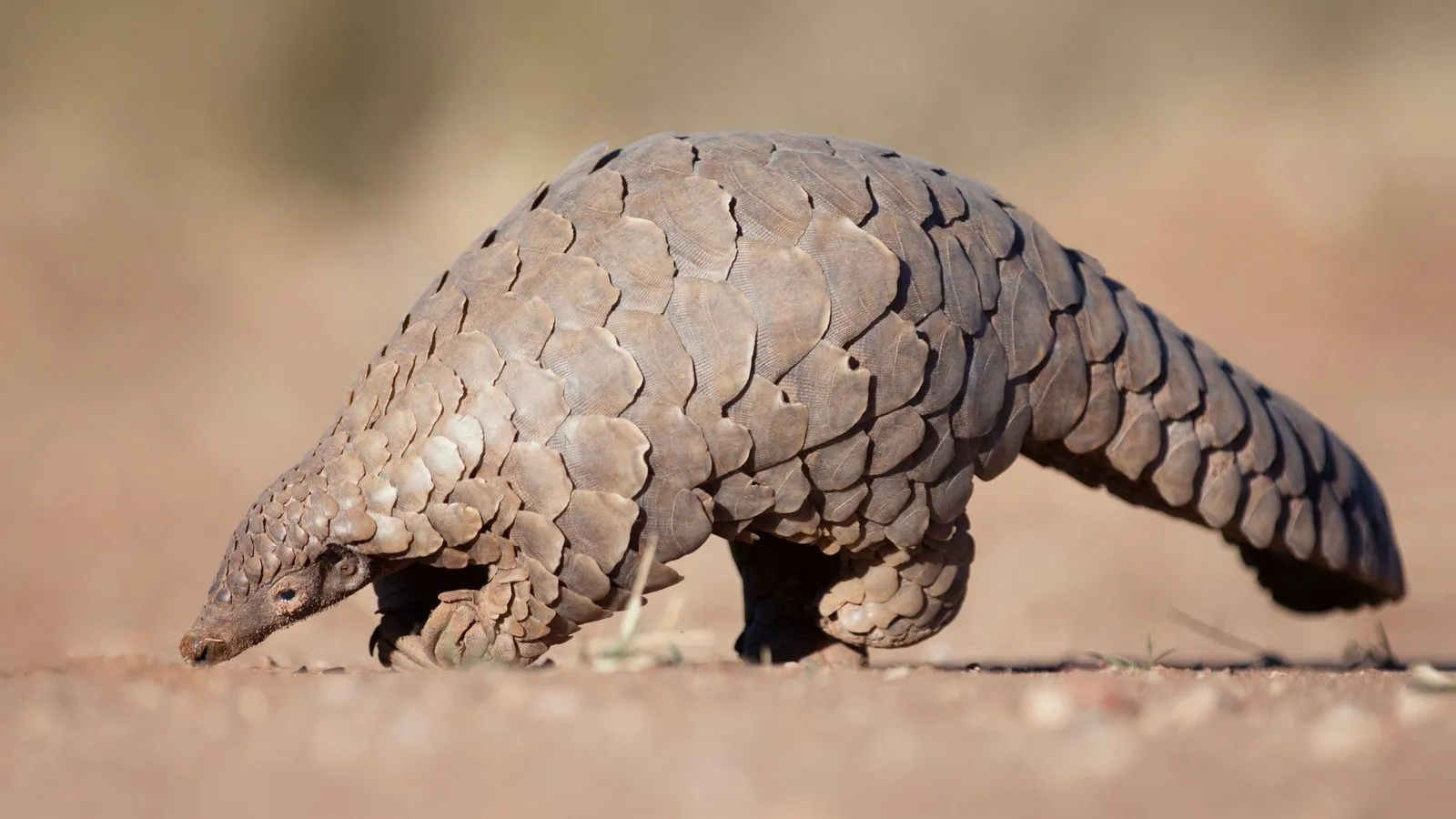
The Pangolin: The Mammal Covered in Scales
Pangolins wear armor made of keratin, roll into a ball when scared and eat ants with tongues up to 40 cm long. All eight species are now threatened.
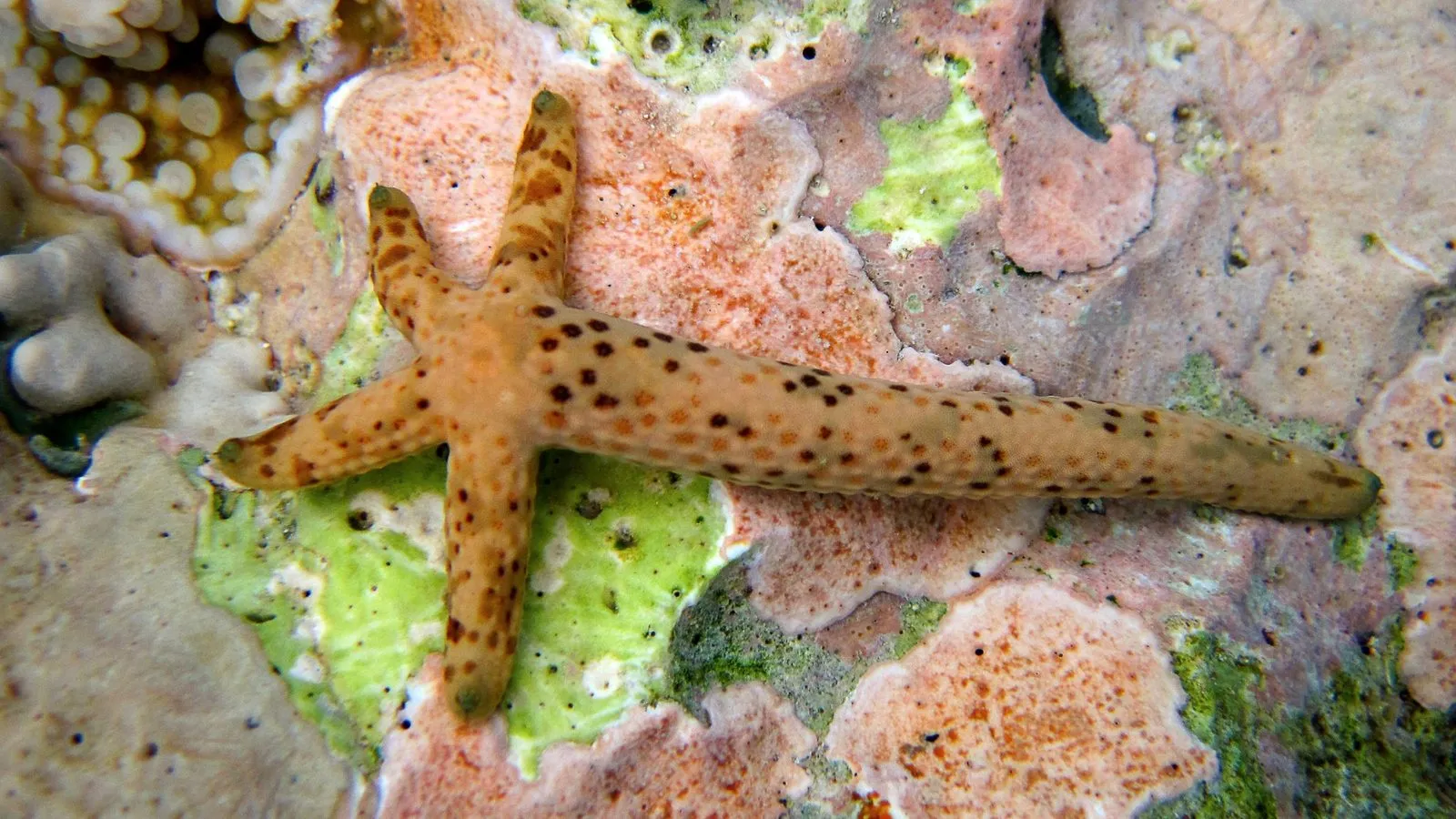
Animals That Can Regrow Body Parts
Flatworms, axolotls, zebrafish, sea stars and spiny mice can rebuild lost parts of their bodies. Here is what each one can regrow.
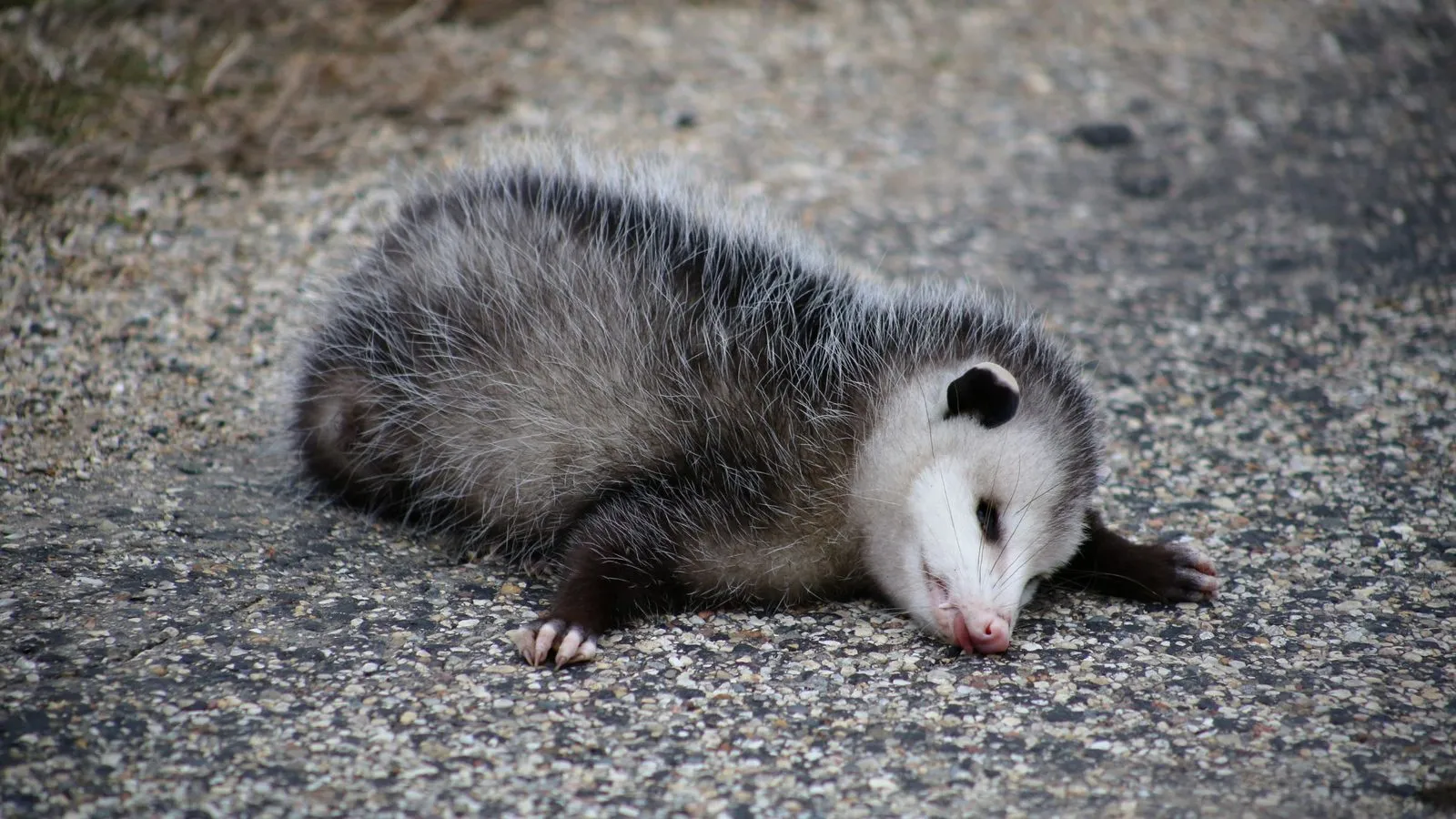
Animals That Play Dead to Survive
From the opossum to a courting spider, some animals escape danger by pretending to be dead. Here is how six of them pull off the act, and why it works.
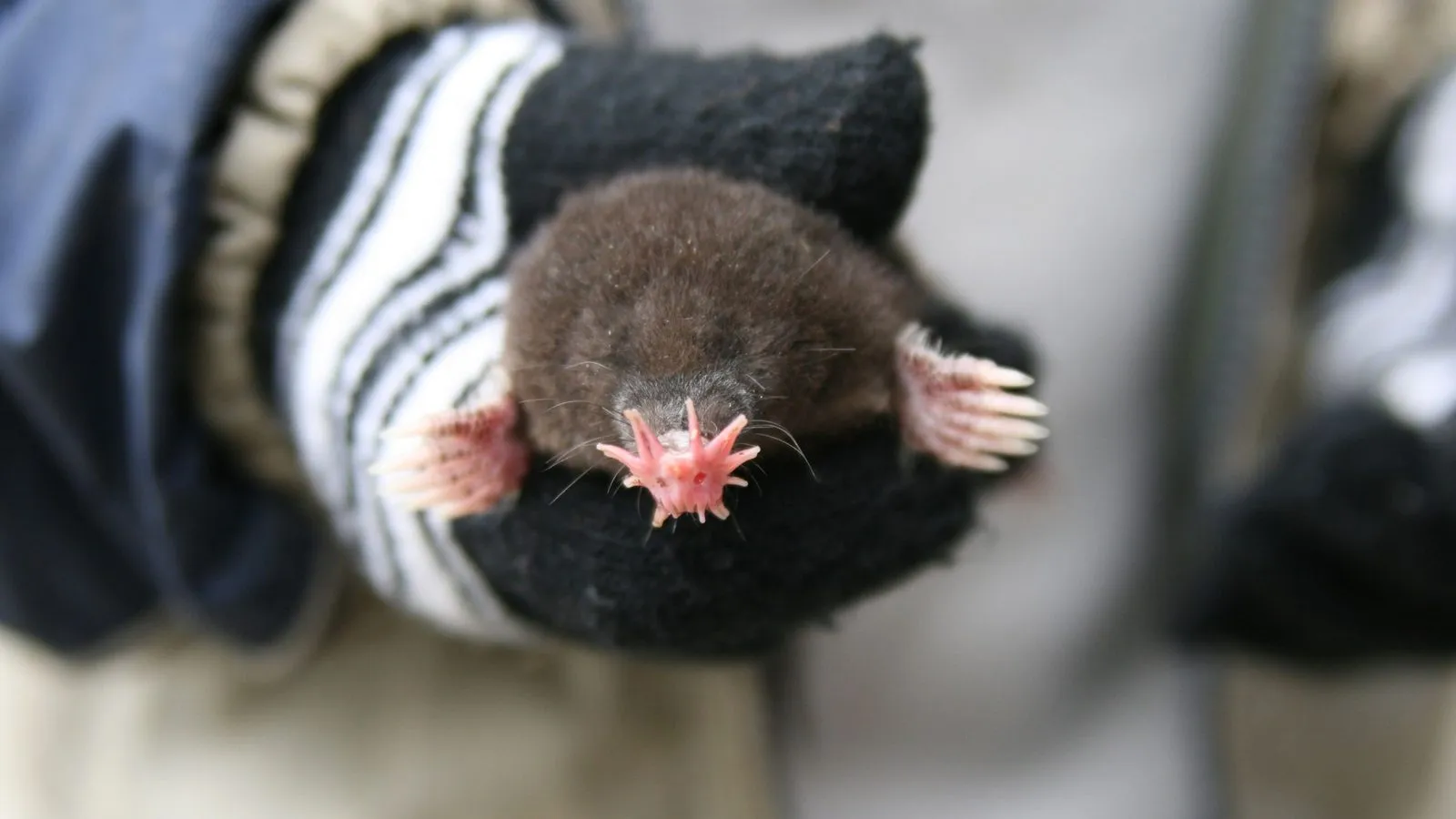
The Star-Nosed Mole and Its Super-Fast Snout
With 22 fleshy rays on its nose, the star-nosed mole feels its way through the dark and can find and eat prey in as little as 120 milliseconds.
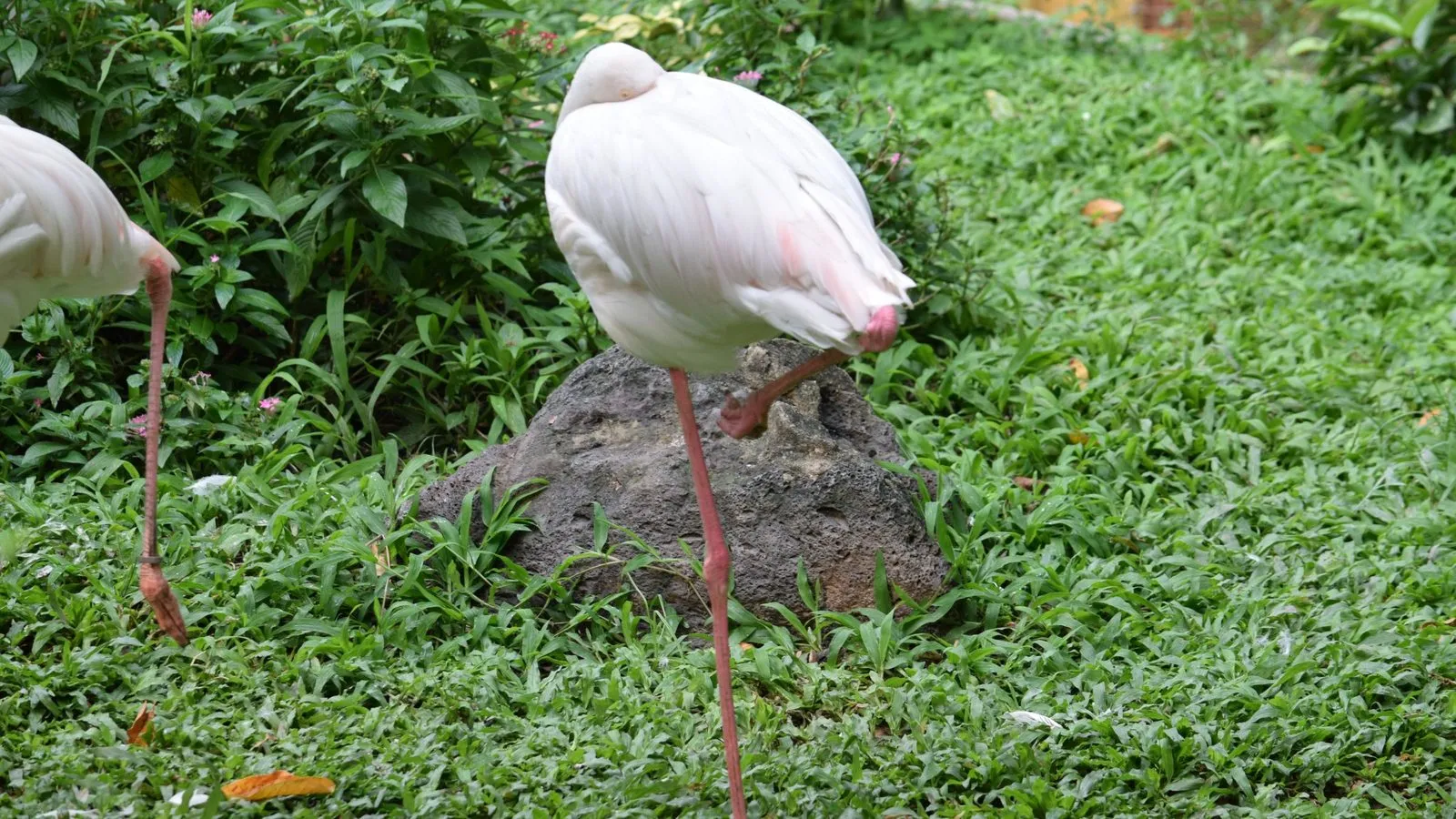
Why Do Flamingos Stand on One Leg?
Flamingos can hold a one-legged pose with almost no muscle effort, and they use it more when it is cold. Here is what experiments have shown.
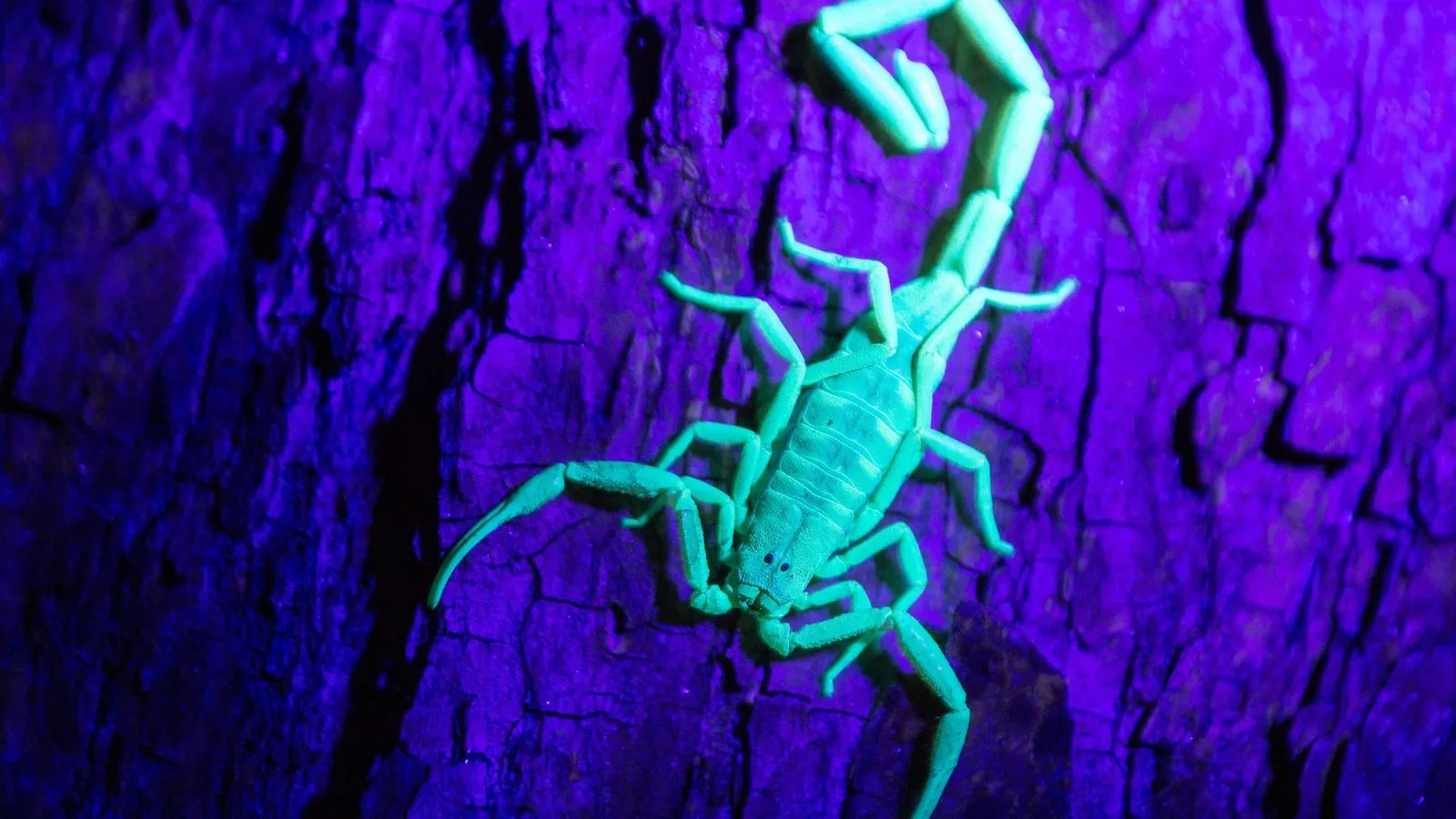
Animals That Glow Under Ultraviolet Light
Scorpions, platypuses, flying squirrels, chameleons, sea turtles and a tree frog all glow under a blacklight. Here is what scientists know about why.
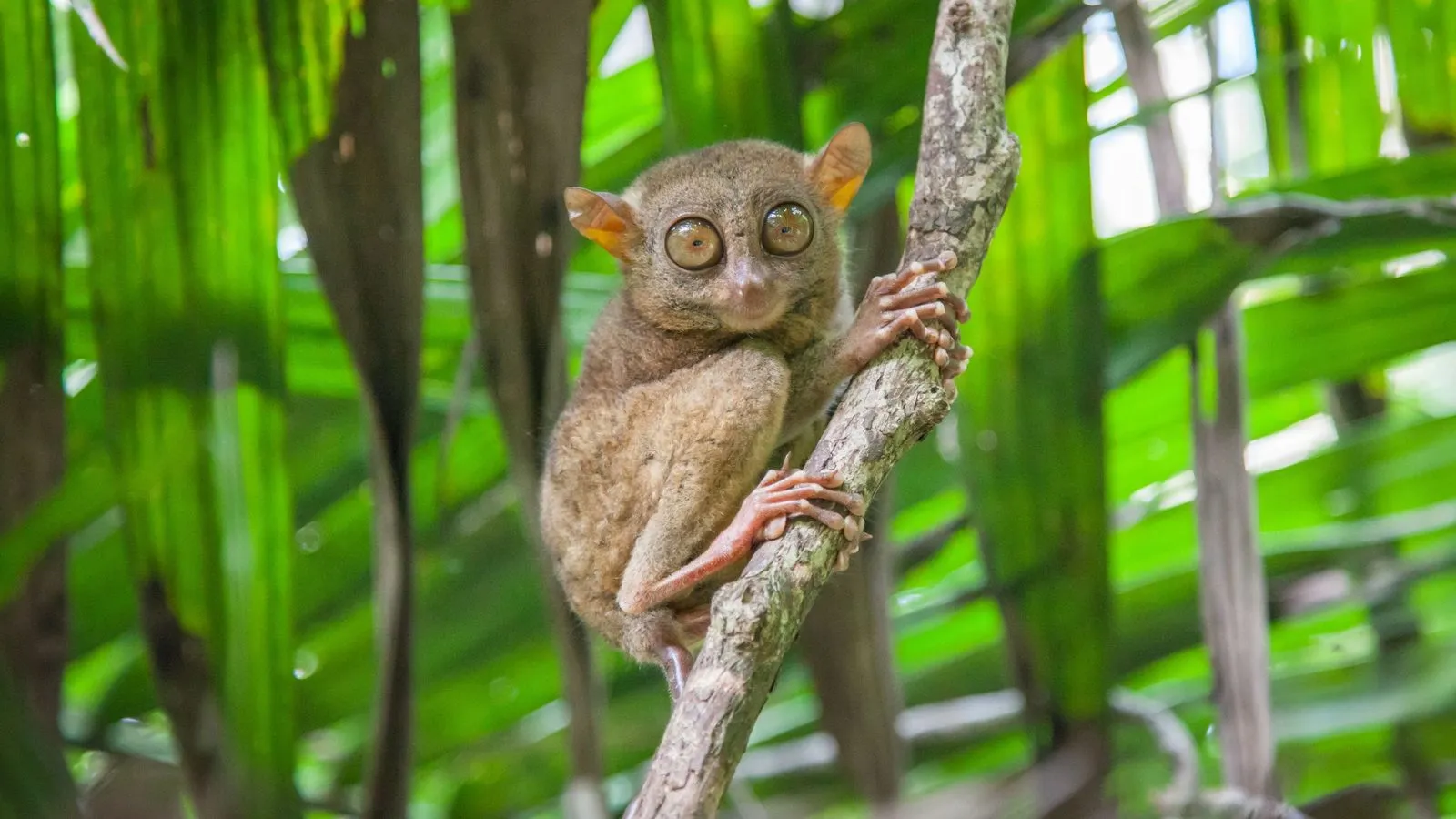
The Tarsier: Eyes Bigger Than Its Brain
A tarsier's eyes are so big that each one weighs nearly as much as its brain. This tiny Southeast Asian primate also leaps far and calls in ultrasound.
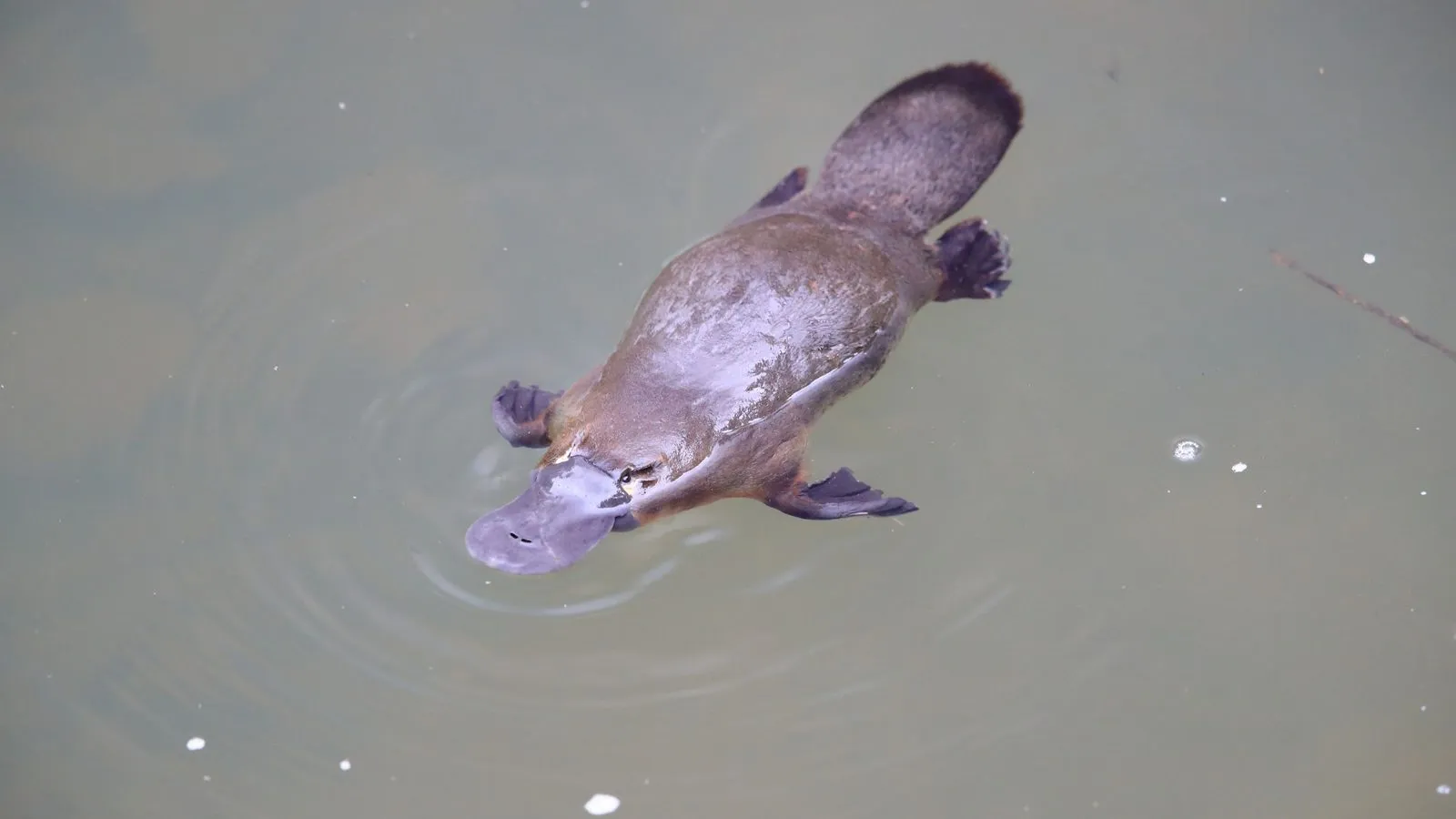
The Platypus: Venom, Electrosense and Eggs
The platypus lays eggs, hunts with its eyes shut by sensing electricity, and the males carry venom. Here is how Australia's oddest mammal works.
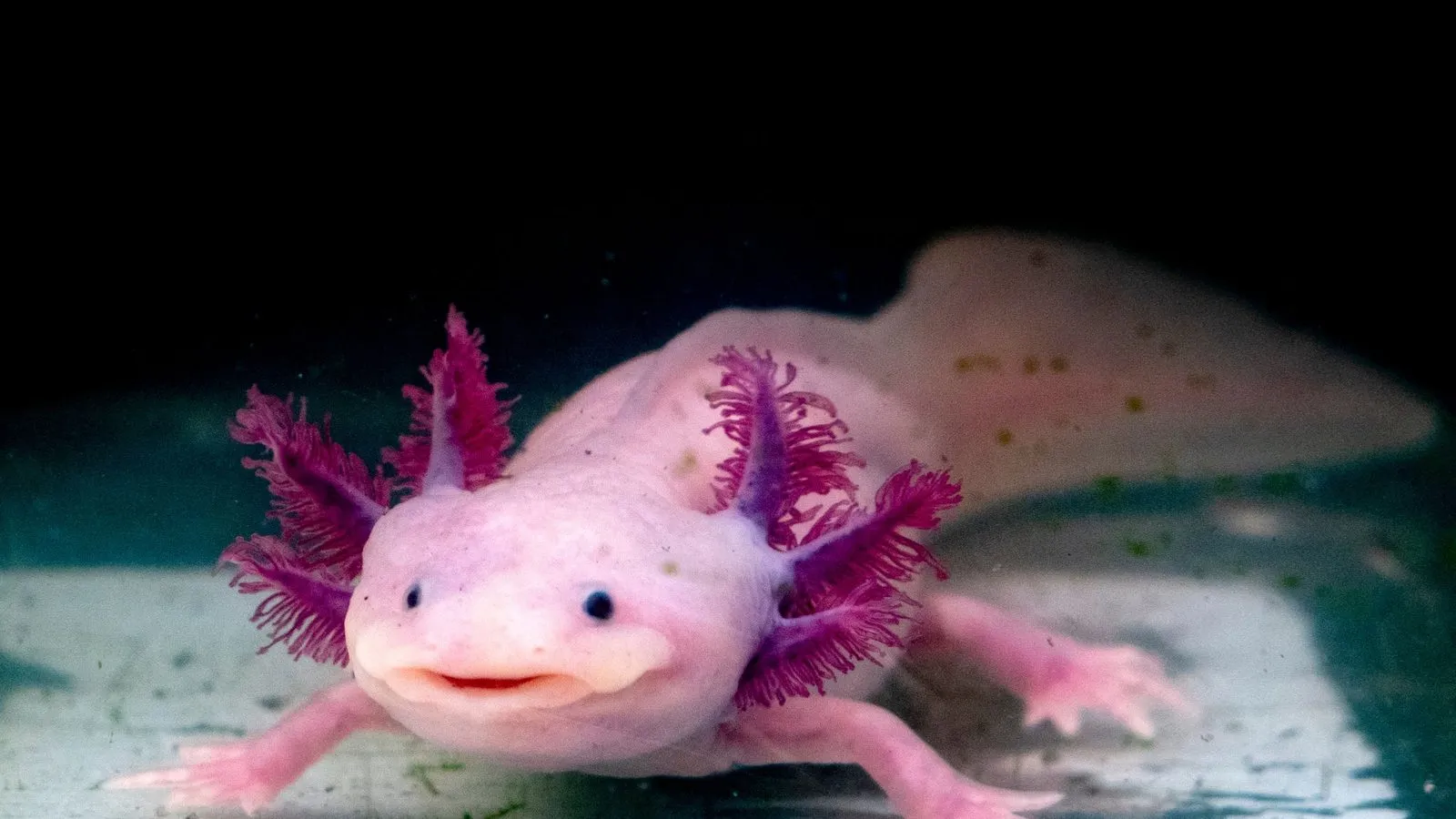
The Axolotl: The Salamander That Never Grows Up
The axolotl keeps its baby gills for life and can regrow lost limbs. Learn how Mexico's water monster lives, and why it is Critically Endangered.
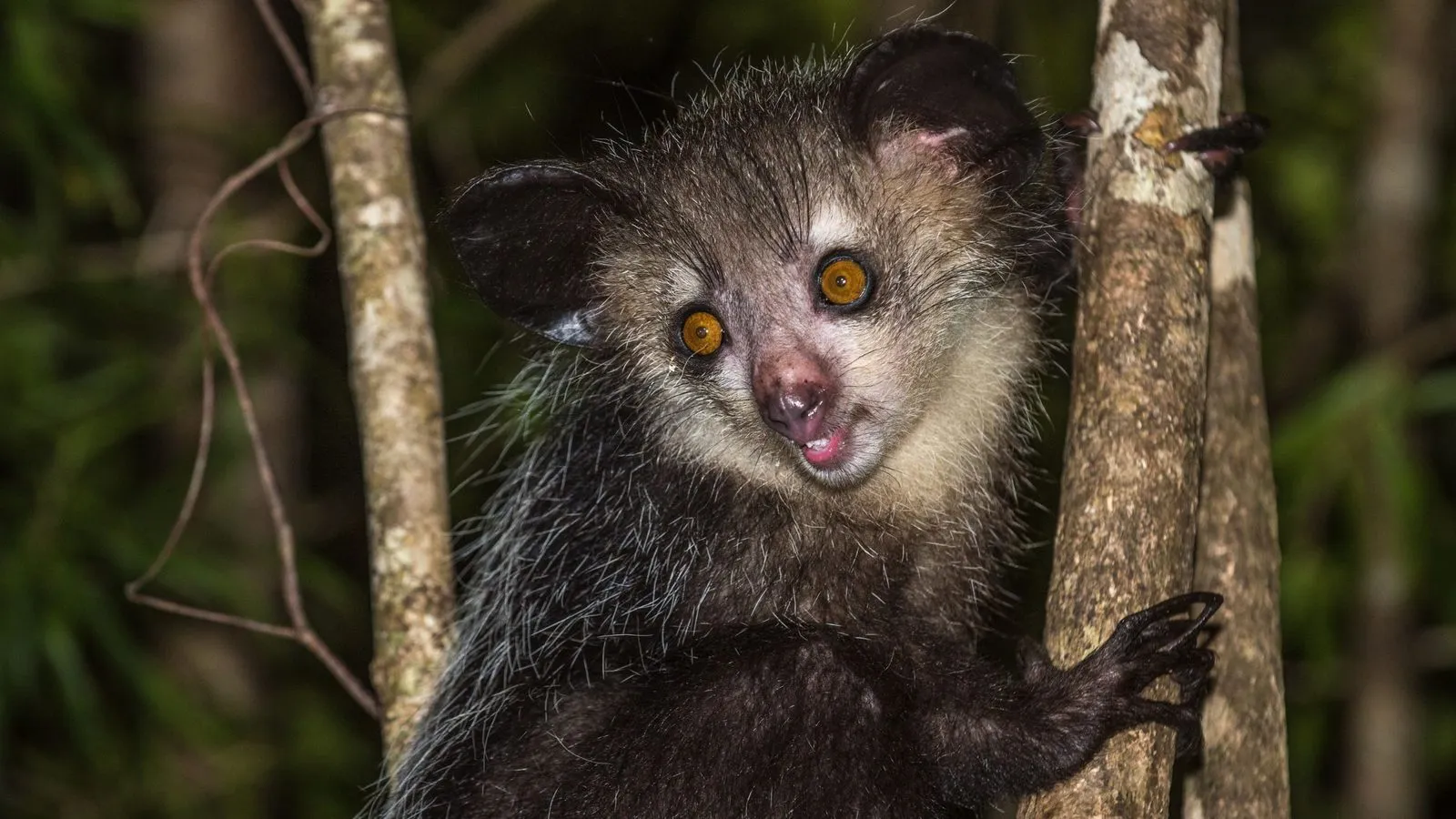
The Aye-Aye: Madagascar's Finger-Tapping Lemur
The aye-aye taps on wood with a long, bony middle finger to find hidden grubs. Meet Madagascar's strangest lemur and learn why it is endangered.